


Using Your Client’s Photos


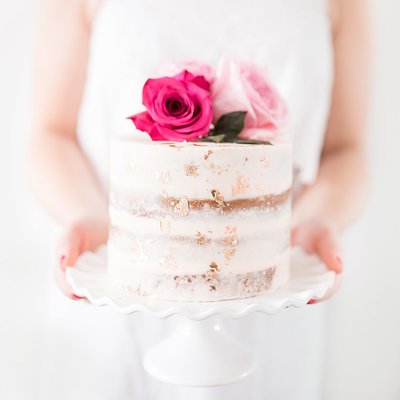
Having photos of the events we produce is extremely important for our future growth and marketing. Many (but not all) professional photographers are happy to share their images with event planners as long as they receive credit when the images are used. An easy way to get client’s permission to use their photos is to include this simple line in your contract:

“My planning business (insert your business name) may display and use any photographs from your event for advertising, display, website and internet promotion at our discretion.”

There may be times when a client cannot have their photos on display due to privacy concerns (they work as a police officer, FBI agent, security officer, celebrity, etc.) which is perfectly acceptable. However, if you have particular clients without a solid reason, you may consider charging more to plan the event since you won’t be able to use it as a marketing tool after the event.

Photo credit: Kelli Hunt Photography

Share on TwitterShare via email

Why Are You Blogging?

As event planners, many of us blog to share events and ideas with potential clients and industry peers.  Some of our blogs have a huge variety of content. Some are very personal while other planner’s blogs are strictly professional.  If you have started blogging, take a few minutes to evaluate your blog strategy.  The answers to these questions will help you determine why you are blogging, how often to blog and what you want to focus on in future posts.

Why are you blogging?

Event planners blog for many different reasons. Some want to show off their latest work, some blog just for SEO purposes and others blog to showcase their talent and personality.  Why did you start your blog? (hint: “Because it sounded like a good idea” is a valid answer but now that you got started, let’s think about strategy.)

What do you want your blog to do for you?

When your blog is working the way you hope it will, what do you expect it will do for your business? Is your blog there to encourage potential clients to call you? Is it there to send traffic to your site? Is it there to help position you as an expert event planner?

Who is your target market?

What do you know about your target client? Do they read blogs? How much time do they have?  By thinking about who your target client is and what sort of life they lead, you can get a feel for what kind of information you should have on your blog. Think about whether your target client wants to see text, photos or videos (or all three). Would they prefer long posts or short bursts of inspiration?

When you work out the answers to these questions, you will get a sense of what might work for you and your business in the future. Write a simple blog plan and try posting based on your plan. Your inquiries and website statistics will soon show what works and what doesn’t. Don’t be afraid to try posting different content, posting on different days or at posting at different times. You may be surprised to see how much your business blog helps you once you have a strategy in place.


Share on TwitterShare via email

8 Details Your Website Must Have

1. Clear Navigation.  The navigation on your website tells clients how to find the information they need. The easier it is to get around and read it, the more immersed and interested people will be in your services. A potential client landing on your website should not have to spend time deciphering how to work their way around.

2. A Page About YOU.  Having a generic description of an event planning company is not going to help your business.  Your “About Us” page should talk about what sets you and your company apart.  Some questions to answer on that page include:  What drives you?  Why do you plan events? What do you love? What are your interests? What inspires you?

3. A Professional Photo of You. Wedding and event planning is a very personal business. Potential clients want to see what you look like and what your style is. They are much more likely to call you for a consultation if they connect with you and your website.  If you have other planners who work for you, have their professional photos on your website too.

4. High Quality Images. Your business website should have photos of your events from professional photographers. Photos from your iPhone or from your own camera are not going to give a professional look and feel to your website.

5. A Blog. A blog gives you a connection to your visitors. It tells them what they don’t know about your company already, gives them tips on how to use your services, and is a place to tell them about future deals, products, and new services. You can also post links from your blog into your social media accounts such as Facebook and Twitter.  Your blog is the perfect place to feature all of your events and weddings.

6. Clear and Easy to Find Contact Information. It should be easy to find your phone number and email on your website. Even if you have a contact form, list your email, business address, phone number and social media contact information on your site.

7. Client Reviews or Testimonials. There is no better marketing than word of mouth marketing and referrals. Customer reviews and testimonials on your website offer proof that you have done this before (or done this many times) and have satisfied customers. If there are other sites that have good reviews for your business such as yelp.com, google.com or cityvoter.com, place a link to those sites on your own website.

8. Consistent Colors, Fonts, Look & Feel.  Each page on your site and your blog should have consistent colors, fonts and overall style.  Potential clients should get a good feel for your style and brand from looking through your website.

What other elements are essential for a good website? Please share in the comments.

Share on TwitterShare via email

Identifying Your Unique Brand

Today’s guest post is written by Brynn Swanson, an event planner and owner of Brynn Swanson Consulting, a social media and PR consulting firm.

Your brand is the blueprint for your customer’s experience. It is the business identity, company image and expectation that you set for clients. It’s much more than a logo or website. When you are trying to figure out your competitive differences to define your brand, don’t over think it. Remember that first and foremost, you are the best representation of your brand. If you are not comfortable living your business brand every day, then you might need to refine or rethink your current brand.

Here are a few questions to ask when defining your own brand:

  • What is your elevator speech? If someone asks you what you do and why you are different, you should be able to answer in 30 seconds. (hint: Why do you plan events? What is it that makes you really passionate about your career or business? The answer to this question will help you create your elevator speech).
  • What makes you different from other event planners in your area? Any planner can offer great customer service or low prices. Why are potential clients going to choose you?
  • What are three adjectives you would like to be synonymous with your brand? For example I want every client to think that I am attentive, creative, and funny.
  • What are your core values? (Honesty, integrity, service, fun, stylish, distinctive, creative, friendship, adventurous, quirky, etc)
  • List three vendors that you would like to align yourself with, what makes them different, why do you like working with them and do your three adjectives align with their core values?

When answering these questions, always have your target market in mind. Are your answers something that would resonate with them? Remember that you are your brand; keep your answers to these questions in mind in every aspect of your life. Once you determine what you stand for, focus on delivering that promise to your customers through your services, communication and marketing materials.

Whether you are meeting with clients, chatting on Twitter, posting on Facebook or at a networking event, remember to live your brand.  It’s the experience that other vendors and potential clients will remember.

If you found value in this post, like it and leave a comment!


Share on TwitterShare via email

Wedding Planner Love

I have just recently discovered WeddingPlannerLove, an on-line directory of wedding coordinators and planners across the US and worldwide. WeddingPlannerLove helps match brides with the perfect planner based on price, location and specialty. A basic profile for your business is complimentary and includes an image, description and link to your website (hint: links to your website really help with SEO). For more exposure, you can also upgrade to a paid listing for only $25 per month. Once you are approved and listed, you can download a cute badge to show on your website or blog. Check out their wonderful WeddingLovely blog for ideas and resources.

WeddingPlannerLove was created by Tracy Osborn. Tracy has always loved typography, and while in college for her BFA in graphic design, she loved looking at homemade wedding invitations on on-line wedding boards and blogs. She started WeddingInviteLove in January 2011 to help couples find their perfect wedding invitation designer, and started WeddingPlannerLove in October 2011 to help couples find their perfect planner to help them plan their wedding.

screenshot of my profile on WeddingPlannerLove

I just listed my planning company on WeddingPlannerLove and recommend it to our readers as a free or low cost way to advertise your event planning business.


Share on TwitterShare via email

Business Holiday Cards

The upcoming holidays are a great time to thank your clients and remember the relationships you have with other event professionals.  Sending a holiday card from your business is an easy and economical marketing tool that anyone can use.   Tiny Prints has a great selection of stylish business holiday cards that you can customize with your business name, photos and logo. Tiny Prints also offers a mailing service if you don’t have time to stuff, stamp and send your own cards.  Today through Saturday, Tiny Prints is offering 15% off AND free shipping when you spend $75 or more.  Use the code HOLSAVE20 when placing your order.  We just received our fabulous business holiday cards from Tiny Prints and can’t wait to send them out!


this post is sponsored by Tiny Prints

Share on TwitterShare via email

Tips for Creating Your Event Planning Portfolio

I’ve seen so many different types of portfolios from planners and wedding professionals. Some companies have most of their creative work shown on their website and blog. You can also create professional photo albums from the weddings you have planned (get permission from the photographer first). Some planners create a physical portfolio book that includes sample time lines, stationery pieces and photos from their weddings. You can also have an online slide show or slide show on your laptop with images from weddings you have done.   Since wedding planners provide an intangible service, it is important to show potential clients what we can do and create.

Here are four ideas for building and expanding your event planning portfolio:

1. Plan and organize a photo shoot. A photo shoot is a mock setup of a wedding. It typically includes a guest table with linen, stationery pieces, place settings, a centerpiece and guest chairs. Sometimes photo shoots also include a model bride, a cake and a place card display.  A photo shoot gives you the opportunity to show your creativity and teaches you how to work with vendors. The cost of the photo shoot is minimal since each vendor would provide complimentary details or services for the photo shoot. Once you determine the location and possible date, confirm your photographer who will take pictures of the setup. Then you can work on securing vendors for the tables, chairs, linens, flowers, cake and stationery. After the shoot, ask the photographer for prints or digital images that you can use on your website and in your portfolio. Share the images with all of the participating vendors so they can use the photos in their portfolios.  If you are just starting out, look for other vendors professionals who are also just starting their businesses.  They will need images for their portfolios and might be more willing to participate than someone who has been established for years.

2. Help a friend, friend of a friend or family member with their wedding. Not only will this give you valuable experience, it will also give you photos and real time lines to show potential clients.  If your clients were happy, don’t be afraid to ask for a written testimonial you can use on your website.

3. Show off education certificates and professional membership certificates in your portfolio.  Whether you have a certificate from an online certification program, a membership certificate from ISES or a diploma from a design class, don’t be afraid to put these in your portfolio.  This will help potential clients see that you are serious about education and your business.

4. Create sample inspiration boards and wedding day time lines.   If you already have experience, show potential clients what you can do with photos and production schedules from weddings you have done. If you are just getting started, create sample inspiration boards and sample wedding day time lines to show prospective clients.

What has been the best way for you to show off your work to potential clients?  Online photos, a slideshow, photo albums or something different?

Share on TwitterShare via email

Is Your Business Running You?

Editor’s Note: This guest post is written by Jeanna Pool, owner of  Marketing for Solos

Why did you start your own solo small business?

Was it because you wanted to call your own shots…do your own thing…make your own rules…not have to answer to anyone else but yourself…set your own schedule…have time and flexibility to live your ultimate lifestyle?

If you’re like most solo entrepreneurs the answer is yes, yes and yes. The reasons I listed are the main reasons why we do what we do and got into this game in the first place.

But, at some point, many solos come to realize that the business that they started doesn’t really look like the business they wanted.

They don’t really call their own shots, the demand of their clients do. They don’t really have time and flexibility they desire, because they’re always so busy working to make money. They don’t really make their own rules, because they have to do what the client wants and asks for.

And on and on. Sound familiar?

If so then the question you may need to stop and ask yourself is…are you running your solo small business or is it running you?

We all want to be in charge of our business and make sure it is not running us, but we have to keep close tabs on the business or it will eventually take over. If you’ve found yourself in this position, here are a few tips and things to think about…

When You Work

YOU as the owner of your solo business gets to decide when and how you work.   Most event planners who are solos that consult or work virtually have a lot more flexibility.

I for one absolutely hate Mondays. That day of the week is evil and must be destroyed. Short of that happening I made the decision a very long time ago that I would not work on a Monday. And thus I don’t. Monday’s are my “official day off” and that is one of the ways I choose when I work.

So how about for you? When do you want to work? What hours of the day? Days of the week? Months of the year? If your working in a way that you don’t really want to, it’s time to figure out how to change that. It may take a little educating your clients as to the parameters or just setting the boundaries upfront.

For example, a friend in the mortgage business a few years back and was really bothered by the fact that clients would call her anytime of day. She would answer a call at 9pm and then be put off that the client was “so rude to call so late.” But, the problem was her, not the client. She did not have to answer the phone and after she took the time to educate her clients what her working hours were, the late night calls stopped.

Where You Work

I am blessed that I have clients all around the Unites States, Canada, Europe and Australia. The great thing about my business is I work with all of my clients virtually. So this means I can work anywhere I choose…be it in my physical office in Denver or with laptop while traveling. This gives me huge flexibility in my business.

How about you? YOU get to choose where you work. And if you find that you are not really working where you want, it’s time to change that.

If you want to go to the client. That’s fine, just make sure it is really what you want. If you want them to travel to you, then set that up as the parameter of doing business with you. Many solos dream about sitting on the beach, tropical adult beverage in hand and working away on their laptops…if that is really where you want to work, then there is no reason you can’t run your business this way. It takes planning and structure to make it happen…but it can happen.

So make sure that you are working where you want to work and that this aspect of your business is under your control.

How You Work

This is a biggie for solos. Think back to when you had a “real job” meaning working for someone else and you had to follow all the rules about how things were done. Being a solo small business owner frees us from this…or at least it should.

YOU get to determine how you work with your clients. So if you’ve never set up specific systems or parameters for how you work, then you may find the business trying to run you. As the expert in your field and the expert at what you do, you should be calling the shots for how you work with clients to get them the very best result possible.

Last Thoughts

Remember when you own a business you need to own it and run it and be its master. There is NOTHING wrong with setting up parameters and boundaries around the way you work. If a potential client has a problem with it, that’s okay. They are simply not a good fit for you. Bless them and move on. You CAN have the business run the way you want. You just have to take the time to ensure you are running the business instead of the other way around.

This guest post is written by Jeanna Pool. Jeanna is an Amazon #1 bestselling author, speaker and marketing consultant who helps solo small business owners attract more clients consistently. Visit her website www.MarketingForSolos.com now to get FREE marketing tips that will jump-start your marketing efforts and success.

Share on TwitterShare via email